March 25, 2026
A practical guide to designing AI chat landing pages that look premium, explain the product fast, and convert more visitors into signups or demos.


AI products often win attention quickly and lose it just as fast. A sleek hero section may create a strong first impression, but visitors still need to understand what the product does, who it is for, and why it is better than the alternatives. If a landing page looks polished but fails to communicate value in a few seconds, the design is working against conversion rather than helping it. The best AI chat websites balance visual confidence with sharp structure.
For most app founders, the real challenge is not making a page look modern. It is turning a complex product into a simple story. Visitors need to move from curiosity to trust to action without friction. That means every section should answer a specific question: what is this, how does it work, why should I trust it, and what should I do next?
Great conversion design does not shout louder. It removes doubt faster.
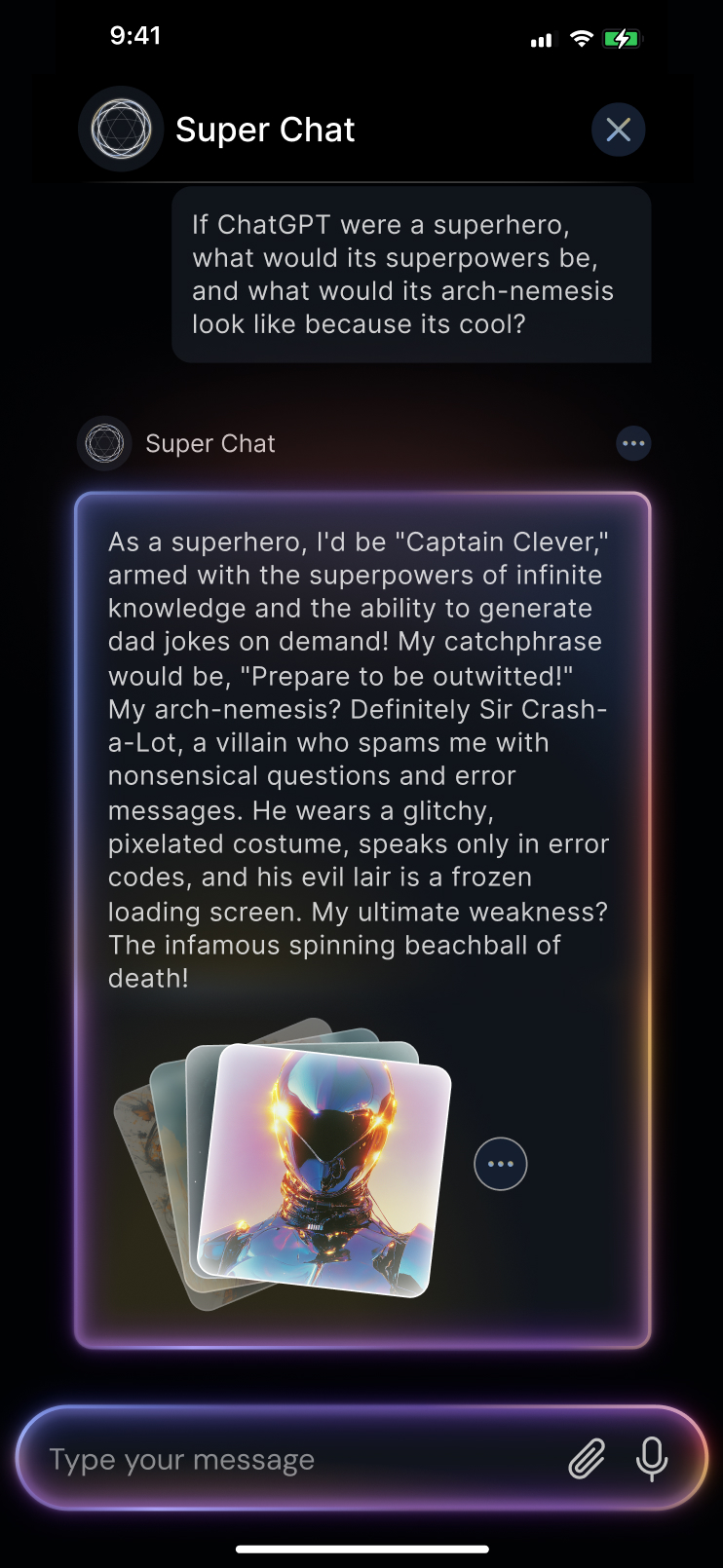
The hero area should carry the weight of the whole page. A clear headline, a short supporting paragraph, one strong primary call to action, and a visual that shows the product in context are usually enough. Many AI websites make the mistake of adding too many badges, claims, and animations too early. That noise weakens the message. Simplicity makes premium design feel more expensive, not less.
After the hero, the structure of the page should guide the visitor through the buying logic. The next sections should explain the use case, show product benefits, address objections, and offer proof. This is where many templates either become too generic or too crowded. A premium template should give founders enough room to customize the message while keeping the layout disciplined and conversion-aware.
If the website is for an AI chat app, common objections usually include accuracy, speed, privacy, ease of setup, and integration with existing workflows. Those concerns should be addressed naturally through feature blocks, use case sections, comparison points, and customer proof. The goal is not to say everything. The goal is to say the right things in the right order.
A premium AI template should look cool, but cool is not the finish line. The stronger goal is helping founders publish faster, position their product better, and turn traffic into meaningful action. If the design feels elegant and the message feels effortless, visitors stay longer and make decisions with more confidence. That is the difference between a landing page that gets compliments and one that gets customers.
Powerful, self-serve product and growth analytics to help you convert, engage.
Upgrade Your AI Experience